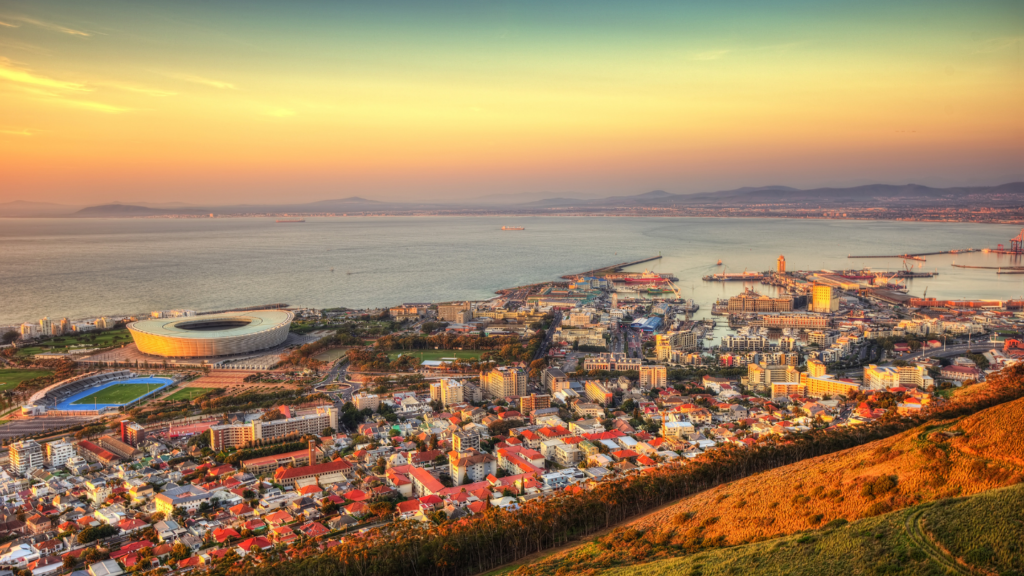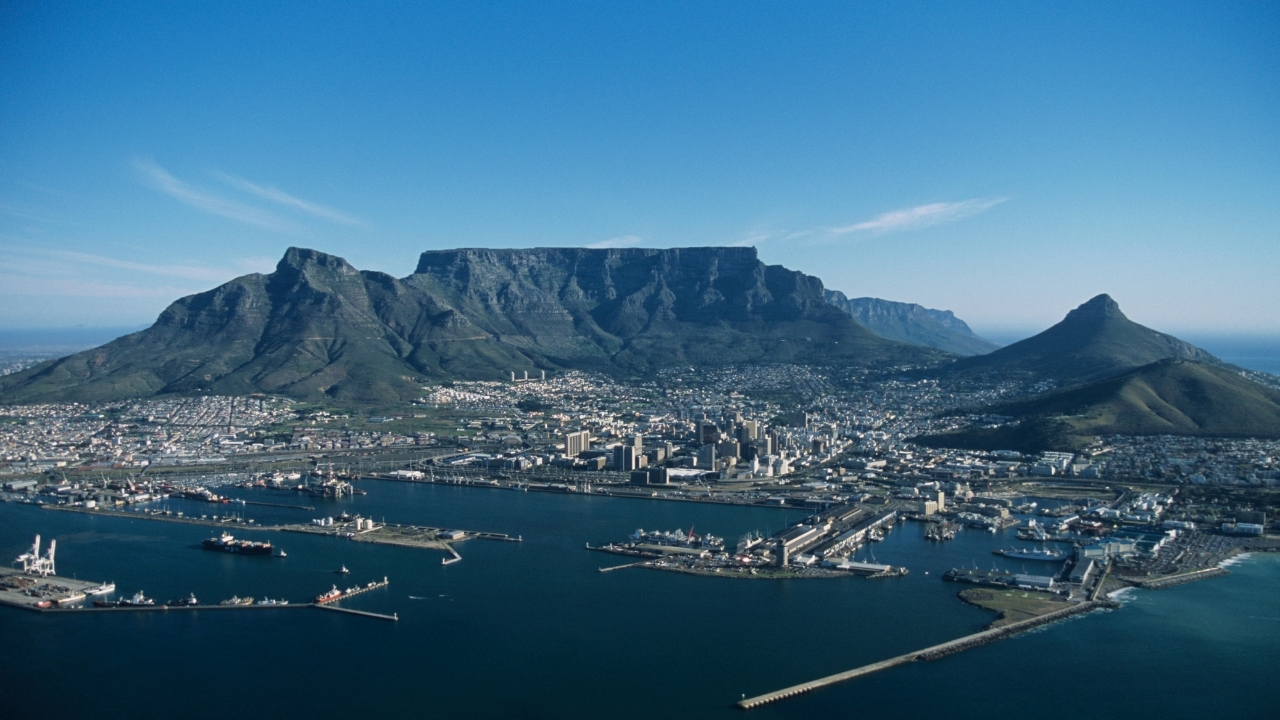
Few cities on earth announce themselves quite like Cape Town. The moment Table Mountain slides into view — its flat summit draped in cloud or bone-dry under a cobalt sky — you understand immediately why this city has been stopping travellers in their tracks for centuries. Cape Town is South Africa’s most-visited destination for good reason: it stacks world-class beaches, extraordinary food, world-renowned wine country, and wilderness trails into a metropolitan footprint compact enough to explore in a long weekend. Whether you’re landing for the first time from London, Lagos, or Johannesburg, this guide covers everything you need — from the best neighbourhoods to sleep in, to where locals actually eat, to the safety ground rules that will keep your trip smooth.
Why Cape Town Belongs on Every Serious Traveller’s List
Cape Town is one of those rare cities where geographical drama and human culture reinforce each other at every turn. Table Mountain — one of the New Seven Wonders of Nature — isn’t just a backdrop. It’s a living ecosystem with 2,785 plant species — more than are found in some entire European countries; a hiking destination in its own right; and the lens through which the entire city orients itself. Capetonians navigate by it. Visitors fall in love with it.
But the mountain is just the beginning. The Cape Peninsula stretches 60 kilometres south through Hout Bay, Chapman’s Peak, and Kommetjie before culminating at Cape Point and the Cape of Good Hope — one of Africa’s most dramatic headlands. The Winelands (Stellenbosch, Franschhoek, and Paarl) begin just 45 minutes east. Hermanus, the world’s premier land-based whale watching destination, is under two hours down the N2. For a city, Cape Town punches well above its weight in raw natural variety.
Then there’s the culture. Bo-Kaap, the brightly painted Cape Malay neighbourhood on the slopes of Signal Hill, tells the story of enslaved and indentured people brought to the Cape centuries ago — a history that shaped the city’s food, its music, and its cadences. The V&A Waterfront hums with activity around the clock. Woodstock and De Waterkant have evolved into creative districts of real quality. The Zeitz Museum of Contemporary Art Africa (Zeitz MOCAA) is one of the finest art institutions on the continent. Cape Town is not performing for tourists; it simply is.
Best Time to Visit Cape Town
Cape Town has a Mediterranean climate — dry, warm summers and cool, wet winters — which means timing matters more here than almost anywhere else in South Africa.
| Season | Months | Weather | What it’s best for |
| Peak summer | Nov – Mar | 28–32°C, dry, sunny | Beaches, outdoor dining, Peninsula drives |
| Shoulder (sweet spot) | Apr – May | 20–26°C, mixed | West Coast wildflowers, fewer crowds, softer rates |
| Winter | Jun – Aug | 8–15°C, wet | Whale season (Hermanus), Winelands atmosphere, lowest rates |
| Shoulder (spring) | Sep – Oct | 16–22°C, improving | Fynbos blooming, pre-season pricing, best photography |
Peak season note: December and January rates can be 2–3x the off-season price. Book accommodation at least three to four months in advance for a Christmas-to-New Year visit. The Robben Island ferry also books out weeks ahead in peak season — always pre-book online.
Getting To and Around Cape Town
By Air
Cape Town International Airport (IATA: CPT) is located approximately 20 kilometres from the city centre. International flights arrive directly from London (Heathrow and Gatwick), Amsterdam, Frankfurt, Dubai, Doha, Addis Ababa, Nairobi, Lagos, and several other hubs. Domestically, Johannesburg (OR Tambo) to Cape Town is one of the world’s busiest routes — FlySafair, Airlink, Cemair, and the major carriers all fly it multiple times daily. The drive from the airport into the City Bowl takes 20–40 minutes depending on traffic.
| 🚨 Airport transport warning (updated February 2026): The US Embassy in Cape Town issued a formal warning about fake taxi operators targeting arrivals at Cape Town International. These individuals approach passengers in the arrivals hall offering transport — some have robbed passengers en route. Use only pre-booked Uber or Bolt from the designated rideshare pickup zone inside the airport, or arrange a transfer through your hotel before arrival. Do not accept transport from anyone who approaches you unsolicited in arrivals. |
Getting Around the City
Cape Town is a driving city. The MyCiTi bus network is reliable along key corridors (airport to City Bowl, Sea Point, Camps Bay, Green Point) and is a safe, affordable option for these routes. For the Cape Peninsula, Winelands, or Chapman’s Peak you need a rental car or private transfer. Uber and Bolt operate reliably across all tourist areas — always use an app-booked ride rather than hailing a car from the street or accepting unsolicited offers. Metered taxis without a booking are not recommended.
Top Experiences in Cape Town
Table Mountain
Take the aerial cableway from Tafelberg Road (book online — on-site queues in peak season can be 90 minutes or more) or, for the adventurous, hike to the summit. Platteklip Gorge is the most straightforward trail: 2 hours up, with the cableway down as an option. India Venster offers more drama and solitude. The summit rewards with 360-degree views across the Atlantic, the Peninsula, and the Winelands — on a clear day you can see Robben Island in the bay below.
| ⚠️ Table Mountain hiking safety (2026): Muggings on isolated trails are a documented risk. Armed robberies were recorded on the Lion’s Head and Signal Hill trails in January and June 2026. Follow these rules: hike in groups of four or more; start before 8 am when trails are busiest; keep phones in your pocket; and tell someone your route before you leave. Solo visitors and couples are better served by the cable car. The summit experience is identical and the cable car is fully safe. Check operating status at tablemountain.net before going, it closes in high wind. |
Robben Island
The island where Nelson Mandela spent 18 of his 27 years in prison is a short ferry ride from the V&A Waterfront. Tours are led by former political prisoners — an experience that is, without hyperbole, one of the most powerful things you can do anywhere in Africa. Book well ahead online: this sells out weeks in advance in peak season. Ferries depart from the Nelson Mandela Gateway at the V&A Waterfront. The full tour takes approximately 3.5 hours including the ferry crossing.
Cape Peninsula Drive
Hire a car and drive the full Cape Peninsula circuit: Hout Bay, then over or around Chapman’s Peak (a toll road worth every rand — sheer cliff-face engineering above the Atlantic), down through Kommetjie to Cape Point, back through Simon’s Town and Boulders Beach (African penguins at close range), and up through Kalk Bay and Muizenberg. Allow a full day. Chapman’s Peak Drive, cut into sheer cliffs above the Atlantic, is one of the world’s great coastal roads. Note that it occasionally closes due to rock fall risk — check before you go.
The V&A Waterfront
The Victoria & Alfred Waterfront is Cape Town’s commercial heart — a working harbour ringed by restaurants, the superb Zeitz MOCAA (Zeitz Museum of Contemporary Art Africa — the largest museum of contemporary African art in the world, housed in a converted grain silo), the Two Oceans Aquarium, and Nobel Square. It’s the safest area in Cape Town for late-night dining and movement, with CCTV coverage and security staff throughout. The food options range from market stalls to fine dining.
Cape Winelands Day Trip
Franschhoek is the food-and-wine capital — a single main street lined with exceptional restaurants in a valley of staggering beauty. Stellenbosch is larger, more student-city in energy, and offers serious wine estate tours. Both are worth a full day each. The Franschhoek Wine Tram is a novelty worth experiencing at least once: a hop-on, hop-off tram system connecting wine estates around the valley. Book ahead in high season. Travel time from Cape Town: Stellenbosch 45 minutes, Franschhoek 75 minutes via the R45.
Where to Stay in Cape Town
Where you place yourself in shapes your Cape Town experience entirely. The Atlantic Seaboard (Camps Bay, Clifton, Sea Point) gives you beachside living and stunning sunset views. The V&A Waterfront and De Waterkant give you convenience and around-the-clock safety. The City Bowl and Gardens are central and walkable. The Southern Suburbs (Constantia, Claremont) are quieter and leafy, closer to the Winelands.
→ Our full Cape Town safety by neighbourhood guide → /inspiration/is-cape-town-safe
Luxury
- Ellerman House (Bantry Bay): One of Africa’s finest small hotels. 13 rooms perched above the Atlantic with unobstructed sea views and a private art collection that would embarrass most galleries. From R8,000/night.
- The Silo Hotel (V&A Waterfront): Above the Zeitz MOCAA, this Liz Biden property is a design statement — pill-shaped windows, flawless service, and the best rooftop pool in the city. From R10,000/night.
- Belmond Mount Nelson Hotel (Gardens): The Pink Lady of Cape Town. A colonial grande dame done with warmth rather than stuffiness — the famous afternoon tea is a rite of passage. From R5,500/night.
Mid-Range
- Gorgeous George (De Waterkant): Boutique cool in Cape Town’s original design district. Well-located for Sea Point, the Waterfront, and the City Bowl. From R2,500/night.
- Kensington Place (Higgovale): Eight rooms on the slopes of Table Mountain. Personal, well-priced, beautifully positioned. From R2,200/night.
- POD Camps Bay: Stylish boutique property on the Atlantic Seaboard strip, steps from the beach. From R2,000/night.
Budget & Self-Catering
- Long Street Backpackers: The original Cape Town hostel — central, social, and a good hub for solo travellers. Dorms from R250/night.
- Self-catering apartments in Sea Point or Green Point: Excellent value via Airbnb or SA-based platforms. Sea Point’s beachfront promenade makes it one of the city’s most pleasant residential strips. From R800–R1,500/night for a studio.
Where to Eat and Drink
Cape Town has one of Africa’s most dynamic restaurant scenes — genuinely world-class kitchens, an extraordinary local wine culture, and a street food scene that’s only getting stronger. These are not tourist traps.
- Fyn (CBD): Cape Town’s current fine dining benchmark. Chef Peter Tempelhoff’s Eat Out Restaurant of the Year 2026 and a regular on the World’s 50 Best list, Fyn blends South African indigenous ingredients with Japanese technique in a sleek fifth-floor space with views of Lion’s Head. Book months ahead.
- La Colombe (Constantia): Brilliant fine dining in the Silvermist Wine Estate. Reliably in Africa’s top ten. The ‘Tuna La Colombe’ dish has become a modern South African classic.
- The Pot Luck Club (Old Biscuit Mill, Woodstock): Luke Dale-Roberts’ Asian-inspired small plates restaurant, perched on the top floor of the historic Silo with panoramic Cape Town views. Bold, globally-inspired sharing plates divided into taste profiles: salty, sour, bitter, sweet, and umami. Two sittings nightly; book ahead.
- Bao Down (Sea Point): Casual, fun, and outstanding bao buns. Walk-in or queue — worth it.
- Wolfgat (Paternoster): Worth the 2-hour drive north. Kobus van der Merwe’s coastal tasting menu uses only ingredients from within 5km of the restaurant. Otherworldly — and one of the most talked-about dining experiences in South Africa.
- Truth Coffee Roasting (CBD): Cape Town’s anchor specialty coffee venue. The steampunk aesthetic has aged well; the espresso is what matters.
- The Stack (V&A Waterfront): Consistent, well-executed, and in the safest dining precinct in the city. Good for groups.
Cape Town Safety: What Tourists Actually Need to Know
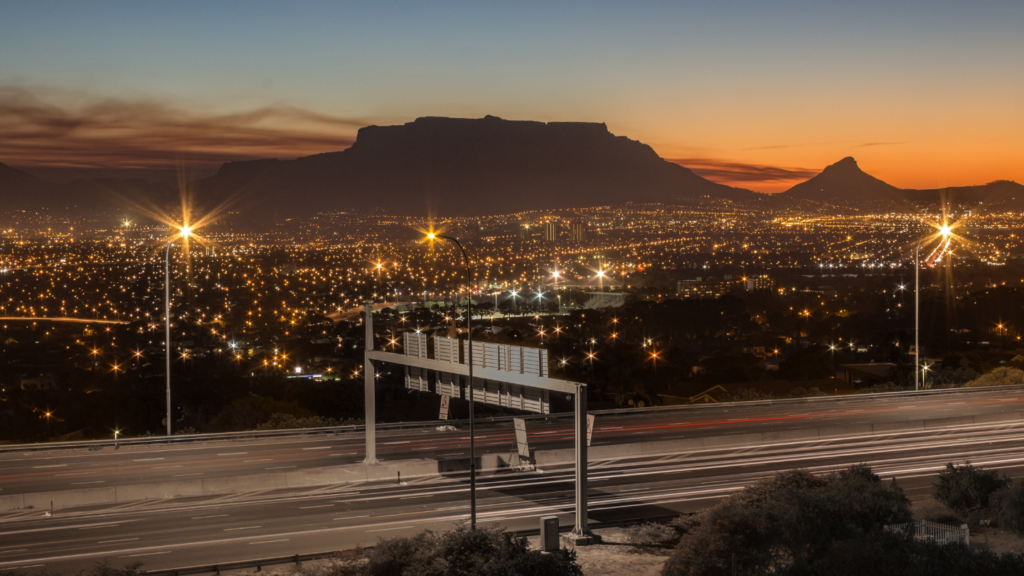
Cape Town’s safety picture is complex, and honest travel writing requires addressing it properly — not with a disclaimer and five bullets, but with the specific, geographical understanding that actually keeps you safe. The key truth: Cape Town is two cities. The tourist corridor (Atlantic Seaboard, V&A Waterfront, City Bowl, and Southern Suburbs) and the Cape Flats are not the same place, and they should not be treated as a single risk category.
✓ UPDATED: Neighbourhood table and expanded safety content added August 2026, based on SAPS Q4 2025/26 crime data.
Safety by Neighbourhood at a Glance
| Area | Safety level | Walk at night? | Key notes |
| V&A Waterfront | Very High | Yes, any time | World-class CCTV, private security, always busy |
| Camps Bay & Clifton | Very High | Main strip: yes | Zero murders in recent SAPS data; chain-snatching risk on beach |
| Sea Point | High | Promenade: yes | Chain-snatching uptick 2026 — tuck jewellery in |
| Green Point | High | Main roads: yes | Stadium area; well-patrolled and active evenings |
| De Waterkant | High | Yes | Upmarket; active; LGBTQ+ friendly |
| City Bowl / Gardens | Moderate | Main streets: yes | Government district; fine by day, stay on lit streets at night |
| Bo-Kaap | Moderate | With care | Historic and colourful; keep phones pocketed |
| Constantia / Claremont | High | Residential only | Southern suburbs; leafy, safe, walled estates |
| Woodstock / Salt River | Moderate | Main roads: with care | Gentrifying; some blocks transitional after 9pm |
| Long Street (nights) | Moderate | Strip: yes; side streets: Uber | Active bar district; chain-snatching and mugging on side streets |
| Cape Flats (all areas) | Very Low | Avoid entirely | Khayelitsha, Nyanga, Mitchell’s Plain, Gugulethu: not for independent tourists |
| Milnerton / Dunoon | Low | Avoid | Murders doubled 2026; extortion shootings; not tourist territory |
The Cape Flats: What You Need to Understand
The Cape Flats — Khayelitsha, Nyanga, Mitchell’s Plain, Gugulethu, Manenberg, Bishop Lavis, and surrounding areas — experience genuinely high levels of gang-related violence. According to July 2026 SAPS quarterly data, 93% of South Africa’s identified gang-related murders occurred in the Western Cape, almost all concentrated in these areas. The South African army has been deployed to 17 Cape Flats precincts since April 2026.
This is tragic and real. It is also geographically contained and almost entirely unconnected to the tourist experience. Driving between the V&A Waterfront and Camps Bay, you will not pass through any of these areas. Township tourism — guided visits to Langa in particular — is safe and worthwhile when done with a licensed, community-connected operator. Do not attempt any Cape Flats area independently.
Common Crimes Targeting Tourists
- Chain and jewellery snatching: A wave of incidents on the Sea Point Promenade in 2026. Tuck necklaces inside clothing when walking outside.
- Phone snatching: Keep your phone in your pocket when walking — not in your hand. Use it inside venues, not on the pavement.
- Smash-and-grab from cars: Keep windows up, doors locked at traffic lights. Never leave bags or valuables on car seats.
- Bag snatching at outdoor restaurants: Keep your bag on your lap or looped around a chair leg. Not hanging on a chairback near the street.
- Fake police: If someone stops you on the street claiming to be law enforcement, ask for a written ID and request to go to the nearest police station. Do not hand over your passport or wallet.
- Airport fake taxis: Book all airport transport via app before arriving. See the callout in the Getting Around section above.
None of this should deter you. Millions of people visit Cape Town every year without serious incident. The safety tools are simple: stay in the tourist corridor, use Uber after dark, keep valuables out of sight, and book airport transport in advance.
Frequently Asked Questions
How many days do you need in Cape Town?
A minimum of four to five days covers the essentials: Table Mountain, Robben Island, the Peninsula drive, and a Winelands day trip. Seven to ten days allow you to breathe, explore beyond the main circuit, and venture up the West Coast (Paternoster, Langebaan) or down to Hermanus for whale watching. Most visitors who stay fewer than four days leave wishing they had more time.
Is Cape Town safe for tourists?
Yes, in the right areas with the right awareness. The Atlantic Seaboard (Camps Bay, Sea Point, and Green Point), V&A Waterfront, De Waterkant, and the Southern Suburbs are all genuinely safe and enjoyable for tourists. The Cape Flats are not for independent tourist visits. Use Uber after dark, keep valuables out of sight, book airport transport in advance, and hike Table Mountain in groups. Apply the same urban awareness you would in any major city.
Do you need a visa to visit South Africa?
Citizens of the UK, EU, USA, Canada, Australia, and most Commonwealth nations can enter South Africa visa-free for up to 90 days. Updated 2026: South Africa is rolling out a new Electronic Travel Authorisation (ETA) system. As of mid-2026, the ETA applies to nationals of China, India, Indonesia, and Mexico entering for tourism — this is expanding. Always verify current requirements with the South African Department of Home Affairs (dha.gov.za) or your nearest South African embassy before travel, as the ETA rollout is ongoing. African visitors should check visa-exemption status by nationality at dha.gov.za.
Is Cape Town expensive?
Cape Town skews pricier than the South African national average, particularly for accommodation in peak season and upmarket areas. However, eating and drinking out remains significantly more affordable than equivalent experiences in Europe or Australia — a meal at a top restaurant costs roughly 30–50% less than a comparable experience in London or Paris. Self-catering accommodation dramatically reduces costs for longer stays. The exchange rate has historically been favourable for visitors from the UK, EU, and USA.
What is the best area to stay in Cape Town?
For first-time visitors: the V&A Waterfront or De Waterkant for convenience and safety. And for the full Atlantic Seaboard experience: Sea Point or Camps Bay for beachside living. For luxury with views: Bantry Bay or Clifton. And for independence and value: Green Point or Gardens. If you’re looking for a local neighbourhood feel on a budget: Sea Point self-catering.
Is it safe to hike Table Mountain?
The summit is safe — it has rangers, busy crowds, and CCTV. The hiking trails carry a different risk: muggings on quieter paths are documented, with armed robberies reported on Lion’s Head and Signal Hill in 2026. Hike in groups of four or more, start before 8am, and stick to busy routes. Solo visitors and couples are better served by the cable car — summit views are identical, and it is fully safe.
Cape Town rewards preparation and punishes assumptions. Come with an open itinerary, a willingness to follow a recommendation into an unexpected neighbourhood, and enough flexibility to wait out the cloud on Table Mountain for a summit-clear day. The city will do the rest.