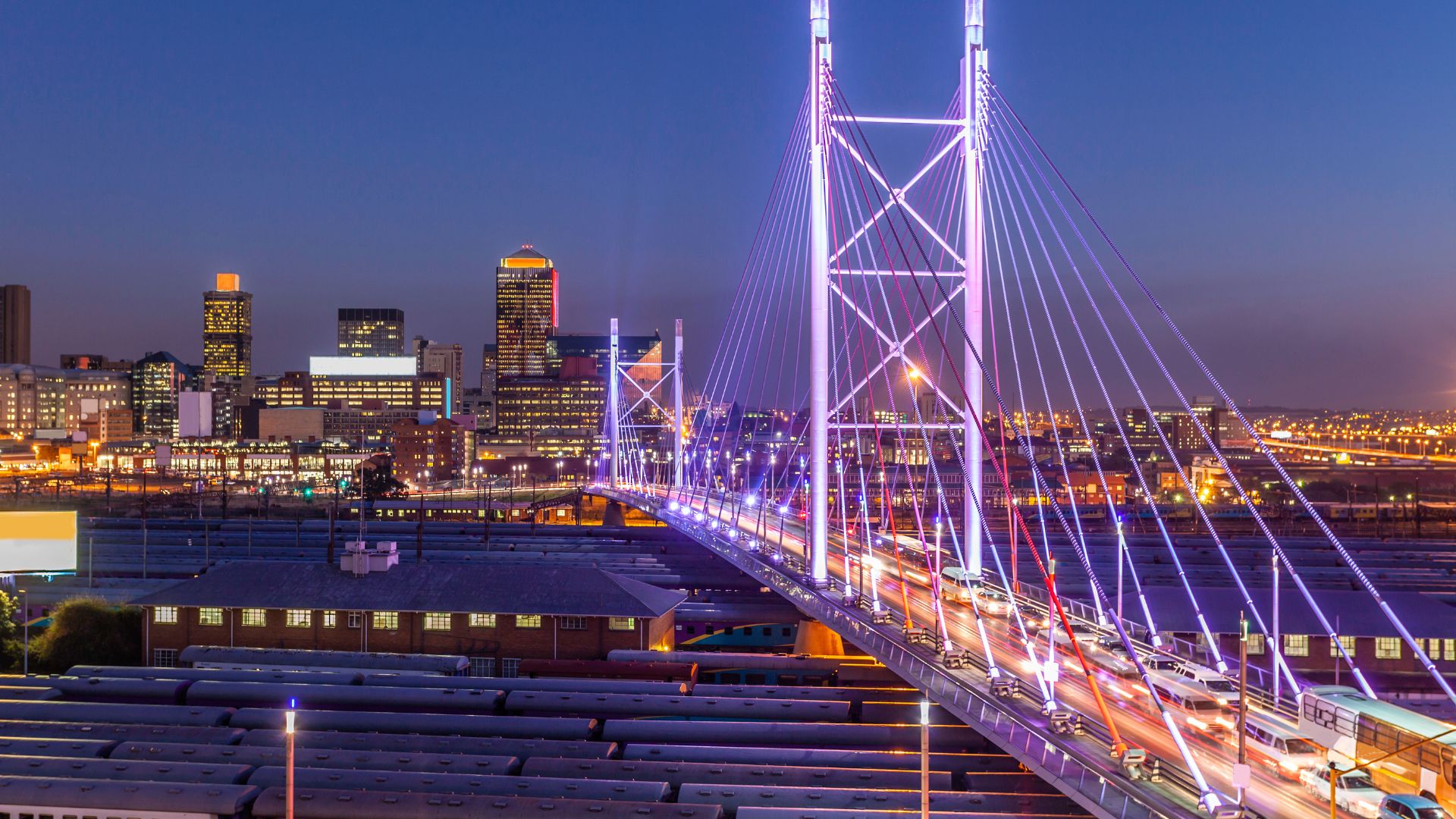
Three days in Johannesburg is enough to understand why this city gets under people’s skin. Not in the way the headlines suggest, but in the way that cities do when they’re genuinely complex, contradictory, and alive. You will stand in the Apartheid Museum and feel the weight of history. Walk down Vilakazi Street in Soweto and hear it from the people who lived it. You will eat brilliantly, see the city’s creative heart from a Maboneng rooftop, and wonder why you gave Johannesburg so little credit before you came.
This itinerary is built for first-time visitors based in Sandton or Rosebank. It is practical: distances, opening hours, prices, and transport are all included. It is honest about what requires planning. And it is structured around what Johannesburg does better than any other South African city, telling its own story.
→ Johannesburg safety guide → /inspiration/safe-places-to-stay-joburg
Before You Start: The 4 Things to Sort Before Day 1
- Book the Apartheid Museum visit in advance. The museum is closed on Mondays only and open Tuesday through Sunday, 9am–5pm. Check your travel date before anything else. If you arrive on a Monday, restructure Day 2 and Day 3. Admission (from May 2026): R240 international adults, R170 South African adults. Audio tour included.
- Decide how you’re getting around. For Day 1 (Sandton/Rosebank), Uber or the Gautrain is fine. For Day 2 (Apartheid Museum → Soweto), an accredited, full-day guided tour is strongly recommended; it handles transport, knows the routes, and adds context money can’t buy. For Day 3 (Maboneng), Uber.
- Book a Soweto tour. Day 2 is built around Soweto. The best experience is with a local guide. Book in advance through a reputable operator; Lebo’s Soweto Backpackers runs excellent guided visits. Full-day tours combining the Apartheid Museum + Soweto are widely available through GetYourGuide and Viator from around R750–R1,200 per person.
- Install Uber and have it ready before you land. It is the single most important app for navigating Johannesburg as a visitor.
| 💡 Base yourself in Sandton or Rosebank for this itinerary; both have excellent Uber access, the Gautrain for airport transfers, and a strong range of restaurants for evenings. Maboneng works as a base too but requires more Uber dependency for Day 2. Budget per person per day (excluding accommodation): R300–R600 for food and transport on a normal day. Day 2 with a guided tour: R750–R1,500 depending on operator and inclusions. |
DAY 1 Arrival, Orientation & the City That Surprises You: Sandton · Rosebank · Nelson Mandela Square
Morning — OR Tambo to Sandton
Take the Gautrain from the dedicated OR Tambo station directly to Sandton, 15 minutes, R142 per single trip, no traffic, and you arrive at the Sandton Gautrain station one floor below the most developed commercial precinct in sub-Saharan Africa. It’s a deliberate orientation: Sandton is where to understand what Johannesburg has built since 1994.
Check in, freshen up. If you have time before lunch, walk to Nelson Mandela Square, the piazza adjacent to Sandton City with a large bronze statue of Mandela. It’s tourist-facing but genuinely good-looking, with several worthwhile restaurants on the perimeter.
Afternoon — Rosebank & Keyes Avenue
Take an Uber the 15 minutes to Rosebank. Walk Keyes Avenue, this is one of Johannesburg’s best dining streets, lined with independent restaurants, coffee shops, and the Keyes Art Mile (a cluster of commercial galleries). Stop at Father Coffee for one of the best flat whites in the city. Wander through the Rosebank Mall rooftop flea market (Sundays only) or The Zone for shopping. The precinct is walkable, safe, and genuinely pleasant.
On Sundays: the Rosebank Rooftop Market is one of the best urban markets in Johannesburg, with local food, crafts, and live music from 9 am, so structure your Day 1 around this if you arrive on a Saturday.
Evening — Your First JHB Dinner
Johannesburg eats seriously. For your first night, pick a restaurant that anchors you in the city’s food identity:
- Marble (Rosebank): wood-fire cooking, open kitchen, great atmosphere. One of Johannesburg’s most consistently excellent restaurants. Book ahead.
- The Butcher Shop & Grill (Nelson Mandela Square, Sandton): South Africa’s most famous steakhouse. The dry-aged cuts and the wine list are both exceptional.
- MamaSamba (Rosebank): West African-inspired food in a vibrant setting. Something genuinely different, and well-executed.
- Proud Mary (Hyde Hotel, Rosebank): Design-forward, great small plates, excellent cocktail list.
DAY 2: The Day Johannesburg Changes You: Apartheid Museum · Soweto · Vilakazi Street
| ⚠️ IMPORTANT: The Apartheid Museum is CLOSED on Mondays only and open Tuesday through Sunday, 9 am–5 pm. If you are visiting on a Monday, swap Day 2 and Day 3. Note: The Hector Pieterson Museum is also closed on Mondays, so on a Monday restructure around Constitutional Hill and Maboneng for Day 3 content instead. Full-day guided tours (Apartheid Museum + Soweto) typically depart at 8:30–9 am and return by 5 pm. Pre-booking is essential. Budget R750–R1,200 per person, including entry fees. |
Morning (9am) — The Apartheid Museum
The Apartheid Museum is the single most important stop in Johannesburg. Allow a minimum of two hours; three is better. The museum opened in 2001 and has no equal in South Africa for the depth and quality of its exhibition on apartheid’s rise and fall—from the legal architecture of racial separation to the liberation struggle to the negotiations and the 1994 elections. The physical design of the museum — the segregated entrance, the hanging nooses representing those executed, the reconstructed prison cells — is as powerful as the content.
Practical details: Corner Northern Parkway & Gold Reef Road, Ormonde. Admission from May 2026: R240 for international adults, R170 for South African adults (audio tour included). Open Tuesday–Sunday, 9am–5pm; closed Mondays. A taxi or Uber from Sandton takes about 25 minutes. The museum has a cafe on site. Give yourself the full morning, two hours minimum; three is better.
Afternoon — Soweto
From the Apartheid Museum, your guide takes you into Soweto, a drive of about 20 minutes. Soweto (an acronym for South Western Townships) is where the 1976 uprisings began, where Mandela and Tutu both lived, and where the anti-apartheid movement found its urban mass. It is also a living, breathing city of 1.3 million people, with shebeens, street food, community football pitches, and a nightlife scene that surprises almost everyone who visits.

What to See in Soweto
- Hector Pieterson Memorial Museum: One of the most moving sites in South Africa. Hector Pieterson was a 12-year-old student killed by police on June 16, 1976, at the start of the Soweto Uprising. The photograph of him being carried through the streets, taken by Sam Nzima, became one of the defining images of apartheid’s violence. The museum tells the story of that day and its aftermath with exceptional care. Open Tuesday–Saturday 10:00–17:00, Sunday 10:00–16:30, closed Mondays. Adult entry: R100 (international visitors); R30 South Africans.
- Mandela House Museum (Vilakazi Street): The house where Nelson Mandela lived from 1946 until he was forced underground in 1961. A 30-minute guided tour inside gives you rare physical proximity to the personal life of one of history’s most important figures. Adult entry: R60. Corner of Vilakazi and Ngakane Streets.
- Vilakazi Street: The only street in the world to have housed two Nobel Peace Prize winners (Mandela and Tutu). It’s now a busy restaurant and bar strip — a good place for lunch, a cold drink, and time to absorb what you’ve just seen.
- Orlando Towers: Two decommissioned power station cooling towers, now painted with murals and used for bungee jumping, abseiling, and an indoor climbing wall, it’s Not for everyone, but genuinely iconic as a symbol of Soweto’s reinvention.
Evening: Process the Day
Day 2 is emotionally full. Most visitors find they need quieter time after it. A dinner close to your hotel in Rosebank or Sandton is the right call, something good but unhurried. The Butcher Shop, if you skipped it on Day 1. Tasha’s for something lighter. A sundowner at a rooftop bar and an early night.
DAY 3: Creative Johannesburg & the City from the Inside Out: Constitutional Hill · Maboneng · Melville
Morning (9am) — Constitutional Hill
Constitutional Hill sits in Braamfontein, a 15-minute Uber from Sandton. It is a former prison — where both Gandhi and Mandela were held — that now houses the Constitutional Court of South Africa, the highest court in the land, built partly from the bricks of the demolished prison. The juxtaposition is deliberate and extraordinary. Entry is tour-based: the Highlights tour (1 hour, departing hourly 9am–4pm) costs R150 per adult. The Full tour (2 hours, at 10am and 1pm) costs R200 per adult. Allow 90 minutes to two hours. Open daily 9am–5pm. Constitution Hill is a cashless facility — no cash accepted.
After the tour, walk the short distance into Braamfontein—the student and creative district directly adjacent. Leafy streets, independent coffee shops, bookshops. Motherland Coffee on Juta Street is one of the best coffee stops in Johannesburg. If it’s a Saturday morning, the Neighbourgoods Market in Braamfontein runs from 9am and is one of the best food markets in the city.
Late Morning / Afternoon — Maboneng Precinct
Uber 10 minutes east from Braamfontein into Maboneng — the inner city creative district that has become one of Johannesburg’s most talked-about urban stories. Fox Street is the spine: galleries, design stores, restaurants, street art that stops you on the pavement. Arts on Main is the anchor gallery complex, and on Sundays the Arts on Main Market fills its courtyard with food and craft vendors.
Walk the streets. Look up; the murals on the warehouse façades are among the most spectacular public art in Johannesburg. Lunch at one of the Fox Street cafes. The Living Room rooftop bar offers one of the best views of the Johannesburg skyline you’ll find anywhere.
| ⚠️ Maboneng after dark: the precinct is active and safe in the evenings. Walking further than Fox Street into the surrounding inner city blocks at night is not advisable. Uber home from within the precinct, not from the surrounding streets. |
Afternoon — Melville 7th Street
If your flight allows, Uber 20 minutes west to Melville for your final Joburg experience. 7th Street is Johannesburg’s bohemian heart — the coffee shop and cocktail bar strip where artists, students, and the kind of locals who know the city intimately tend to gather in the afternoon. It’s a good place to sit, people-watch, and think about what you’ve seen.
- Pablo House: rooftop bar with arguably the best city view in Melville. Perfect sundowner.
- Café Picobella Trattoria: unpretentious Italian, great for a casual final lunch or early dinner.
- Good Omens: lively bar and restaurant, strong cocktail list, excellent music.
Day 3 Alternative: Safari Day Trip
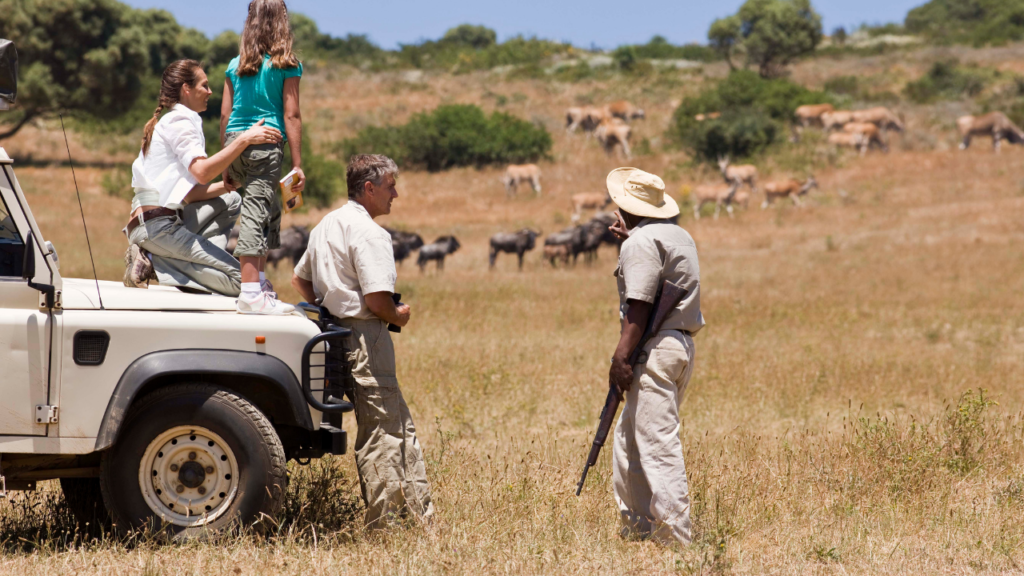
If wildlife is more important to you than urban culture on Day 3, Dinokeng Game Reserve is 45 minutes north of Sandton by road — Big Five, no malaria risk, self-drive or guided game drives. It’s the closest Big Five safari experience to Johannesburg. Cradle of Humankind (40 minutes northwest via R512) is a UNESCO World Heritage Site with outstanding fossil tours through the Sterkfontein Caves — one of the most intellectually interesting day trips from any South African city.
Practical Quick Reference
| Attraction | Hours / Cost | Transport from Sandton |
| Apartheid Museum | Tue–Sun 9am–5pm | R240 intl / R170 SA | Uber, ~25 min |
| Hector Pieterson Museum | Tue–Sat 10am–5pm, Sun to 4:30pm | R100 intl / R30 SA | Part of Soweto tour |
| Mandela House Museum | Daily 9am–4:45pm | R60 adult (verify on arrival) | Part of Soweto tour |
| Constitutional Hill | Daily 9am–5pm | R150 (1hr tour) / R200 (2hr tour) | Uber, ~15 min |
| Maboneng Precinct | Always open | free entry | Uber, ~15–20 min |
| Rosebank Rooftop Market | Sundays only, 9am–3pm | free entry | Uber or Gautrain |
| Neighbourgoods Market | Saturdays only, 9am–3pm | free entry | Uber, ~15 min |
| Dinokeng Game Reserve | Daily, game drives from 6am | R350+ | Car hire or booked tour, ~45 min |
Frequently Asked Questions
Is 3 days enough for Johannesburg?
Three days is enough to cover Johannesburg’s essential experiences, the Apartheid Museum, Soweto, Maboneng, and at least one day of the city’s food scene. You won’t see everything, but you’ll understand what Johannesburg is. First-time visitors rarely feel short-changed by three days; most leave wishing they had planned a day trip to Pilanesberg or the Cradle of Humankind as a fourth day.
What is the single must-do in Johannesburg?
The Apartheid Museum, without question. It is one of the finest museums in Africa and gives essential context for everything else you see in the city. It is emotionally demanding — allow three hours and plan something restorative for the afternoon. The Soweto township visit is the second non-negotiable.
Should I visit Johannesburg or go straight to Cape Town?
Both. The two cities are entirely different experiences and South Africa is not properly understood without both. Johannesburg is where the economic and political story of post-apartheid South Africa plays out. Cape Town is where the geography takes your breath away. Three days in each gives you the country’s full range. Most international visitors fly into Johannesburg (OR Tambo is the main hub) and fly out of Cape Town, making a natural route.
Is Johannesburg safe for first-time visitors?
Yes, in established tourist areas (Sandton, Rosebank, Melrose Arch) and with appropriate transport choices (Uber rather than walking unfamiliar streets at night). Day 2’s Soweto visit is best done with an accredited guide who knows the routes and provides safe transport throughout. Johannesburg rewards confident, prepared visitors.
→ Full Johannesburg safety guide → /inspiration/safe-places-to-stay-joburg
What is the best time of year to visit Johannesburg?
Johannesburg’s climate is one of its understated advantages. The highveld winters (May to August) are dry, crisp, and virtually rain-free — perfect for sightseeing, with daytime temperatures of 18–22°C and cold nights. Summer (November to February) brings afternoon thunderstorms that are spectacular but brief. There is no bad time to visit from a tourism standpoint — but the dry season is generally preferred for its certainty.
The Honest Verdict on 3 Days in Johannesburg
Johannesburg doesn’t make it easy to love it at first glance. It doesn’t have a mountain you can see from everywhere, or an obvious waterfront, or the immediate seduction of Cape Town. What it has is something rarer: an authentic, complicated, urgent story being told by the city itself. The Apartheid Museum tells you where South Africa came from. Soweto tells you who fought to change it. Maboneng tells you who’s building what comes next.
Three days is enough to hear all three chapters. That’s a trip worth making.
