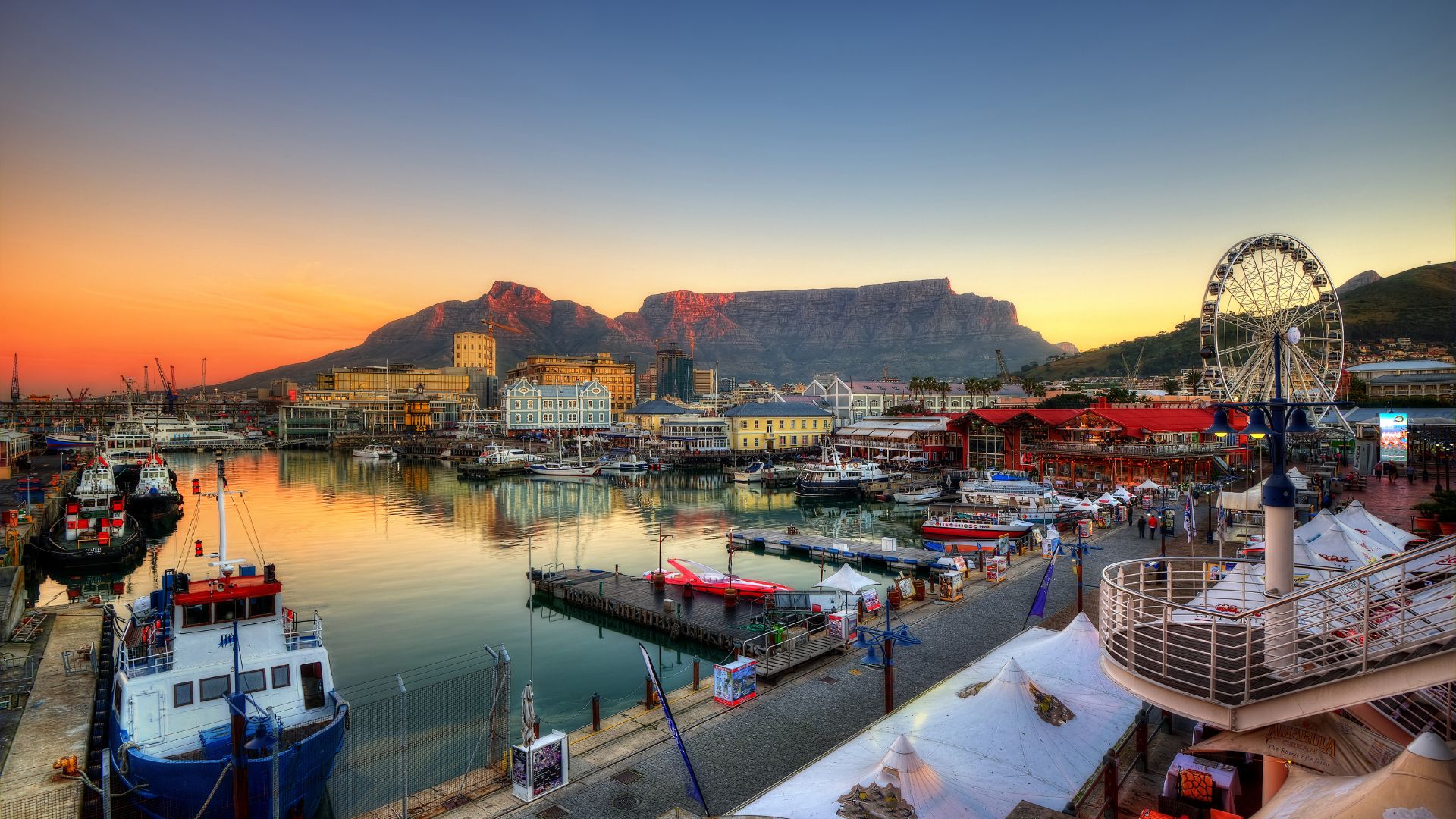
Few cities on earth announce themselves quite like Cape Town. The moment Table Mountain slides into view — its flat summit draped in cloud or bone-dry under a cobalt sky — you understand immediately why this city has been stopping travellers in their tracks for centuries. Cape Town is South Africa’s most-visited destination for good reason: it stacks world-class beaches, extraordinary food, world-renowned wine country, and wilderness trails into a metropolitan footprint compact enough to explore in a long weekend. Whether you’re landing for the first time from London or Johannesburg, this Cape Town travel guide covers everything you need — from the best neighbourhoods to sleep in, to where locals actually eat, to the safety ground rules that will keep your trip smooth.
Why Cape Town Belongs on Every Serious Traveller’s List
Cape Town is one of those rare cities where geographical drama and human culture reinforce each other at every turn. Table Mountain — one of the New Seven Wonders of Nature — isn’t just a backdrop. It’s a living ecosystem with over 2,200 plant species found nowhere else on earth, a hiking destination in its own right, and the lens through which the entire city orients itself. Capetonians navigate by it. Visitors fall in love with it.
But the mountain is just the beginning. The Cape Peninsula stretches 60 kilometres south through Hout Bay, Chapman’s Peak, and Kommetjie before culminating at Cape Point and the Cape of Good Hope — one of Africa’s most dramatic headlands. The Winelands (Stellenbosch, Franschhoek, Paarl) begin just 45 minutes east. Hermanus, the world’s premier land-based whale watching destination, is under two hours down the N2. For a city, Cape Town punches well above its weight in raw natural variety.
Then there’s the culture. Bo-Kaap, the brightly painted Cape Malay neighbourhood on the slopes of Signal Hill, tells the story of enslaved and indentured people brought to the Cape centuries ago — a history that shaped the city’s food, its music, and its cadences. The V&A Waterfront hums with activity around the clock. Woodstock and De Waterkant have evolved into creative districts of real quality. Cape Town is not performing for tourists; it simply is.
Best Time to Visit Cape Town?
Cape Town has a Mediterranean climate — dry, warm summers and cool, wet winters — which means timing matters more here than almost anywhere else in South Africa.
November to March — Peak Summer
This is classic Cape Town season. Long, golden days with temperatures regularly reaching 28–32°C. The beaches are superb — Clifton’s four pocket coves are the most glamorous; Camps Bay is for people-watching and sundowners; Boulders Beach in Simon’s Town offers the extraordinary spectacle of African penguins at close range. Accommodation rates are highest in December and January, and bookings fill quickly. If you’re visiting over the Christmas-to-New Year period, book at least three to four months in advance.
June to August — Winter
Cape Town winters are real — cold fronts roll in from the Atlantic, the southeasterly trades give way to wet northwesters, and the mountain disappears into low cloud for days at a time. Temperatures drop to 8–15°C. However, winter is when the Cape Winelands are at their most dramatic — moody skies, wood fires, and far fewer visitors. Whale season in Hermanus runs from June to December, peaking in August and September. Rates drop significantly, and the city feels authentically local.
April to May and September to October — The Sweet Spots
The shoulder seasons are underrated. Crowds thin, rates soften, and the weather remains largely cooperative. April and May bring wildflowers to the West Coast (Langebaan, Paternoster), and October into November sees the fynbos blooming around Cape Point. These are the months serious photographers and experienced travellers choose.
Getting To and Around Cape Town
By Air
Cape Town International Airport (CPT) is located approximately 20 kilometres from the city centre. International flights arrive directly from London (Heathrow and Gatwick), Amsterdam, Frankfurt, Dubai, Doha, and several other hubs. Domestically, Johannesburg (OR Tambo) to Cape Town is one of the world’s busiest routes — FlySafair, Airlink, Cemair, and the major carriers all fly it multiple times daily. The drive from the airport into the city takes 20–40 minutes depending on traffic.
Getting Around
Cape Town is a driving city. The MyCiTi bus network is reliable along key corridors (airport to the city, Sea Point, Camps Bay), but to access the Peninsula, the Winelands, or Chapman’s Peak you’ll want a rental car or private transfer. Uber and Bolt operate reliably across the city. Metered taxis from the street are less recommended — always use an app.
Top Experiences in Cape Town
Table Mountain
Take the aerial cableway from Tafelberg Road (book online — queues on-site can be brutal in peak season) or, if your legs are willing, hike one of several trails to the summit. Platteklip Gorge is the most straightforward — 2 hours up, with the cableway down as an option. India Venster offers more drama and solitude. The summit rewards with 360-degree views across the Atlantic, the Peninsula, and the winelands — on a clear day, you can see Robben Island in the bay below.
Robben Island
The island where Nelson Mandela spent 18 of his 27 years in prison is a short ferry ride from the V&A Waterfront. Tours are led by former political prisoners — an experience that is, without hyperbole, one of the most powerful things you can do anywhere in Africa. Book well ahead; this sells out weeks in advance in peak season.
Cape Peninsula Drive
Hire a car and drive the full Cape Peninsula circuit: Hout Bay, then over or around Chapman’s Peak (toll road, worth every rand), down through Kommetjie to Cape Point, back through Simonstown and Boulders Beach, and up through Kalk Bay and Muizenberg. Allow a full day. Chapman’s Peak Drive, cut into sheer cliffs above the Atlantic, is one of the world’s great coastal roads.
The V&A Waterfront
The Victoria & Alfred Waterfront is Cape Town’s commercial heart — a working harbour ringed by restaurants, the excellent Zeitz MOCAA contemporary African art museum, the Two Oceans Aquarium, and the Nobel Square monument. It’s touristy, yes, but genuinely enjoyable, and the safest area for late-night dining.
Cape Winelands Day Trip
Franschhoek is the food-and-wine capital — a single main street lined with exceptional restaurants in a valley of staggering beauty. Stellenbosch is larger, more student-city in energy, and offers serious wine estate tours. Both are worth a full day each. The Franschhoek Wine Tram is a novelty worth experiencing at least once.
Where to Stay in Cape Town
Luxury
- Ellerman House (Bantry Bay): One of Africa’s finest small hotels. 13 rooms perched above the Atlantic with unobstructed sea views and a private art collection that would embarrass most galleries.
- The Silo Hotel (V&A Waterfront): Above the Zeitz MOCAA, this Liz Biden property is a design statement — pill-shaped windows, flawless service, and the best rooftop pool in the city.
- Belmond Mount Nelson Hotel (Gardens): The Pink Lady of Cape Town. A colonial grande dame done with warmth rather than stuffiness — the famous afternoon tea is a rite of passage.
Mid-Range
- Gorgeous George (De Waterkant): Boutique cool in Cape Town’s original design district. Well-located for Sea Point, the Waterfront, and the city bowl.
- Kensington Place (Higgovale): Eight rooms on the slopes of Table Mountain. Personal, well-priced, and beautifully positioned.
Budget & Self-Catering
- Long Street Backpackers: The original Cape Town hostel — central, social, and a good hub for solo travellers.
- Self-catering apartments in Sea Point or Green Point: Excellent value via Airbnb or SA-based platforms. Sea Point’s beachfront promenade makes it one of the city’s most pleasant residential strips.
Where to Eat and Drink
Cape Town has one of Africa’s most dynamic restaurant scenes. These are not tourist traps — they’re genuinely world-class kitchens.
- The Test Kitchen (Woodstock): Luke Dale-Roberts’s flagship is still the benchmark — book months ahead.
- La Colombe (Constantia): Brilliant fine dining in the Silvermist Wine Estate. Reliably in Africa’s top ten.
- Bao Down (Sea Point): Casual, fun, and outstanding bao buns. Walk-in or queue — it’s worth it.
- The Pot Luck Club (Woodstock): Small plates, rooftop views, and impeccable wine list. Ideal for groups.
- Wolfgat (Paternoster): Worth the 2-hour drive north. Kobus van der Merwe’s coastal tasting menu uses only ingredients from within 5km. Otherworldly.
For coffee, Truth Coffee Roasting in the CBD remains the city’s anchor — the steampunk aesthetic has aged well, but the espresso is what matters.
Cape Town Safety: What You Actually Need to Know
Cape Town has a complicated safety picture, and honest travel writing requires addressing it directly. The city has high levels of inequality, and crime is a real issue in specific areas — particularly on the Cape Flats, where gang activity is concentrated. Tourists very rarely find themselves in these zones, but awareness matters.
- Stay app-aware: Use Uber or Bolt for all transport after dark. Avoid hailing cars from the street.
- Neighbourhood note: The CBD, Sea Point, the V&A Waterfront, Camps Bay, and the Atlantic Seaboard are generally safe — exercise normal city vigilance. The CBD requires more awareness, particularly at night.
- Don’t flash valuables: Expensive cameras, phones on tables at street restaurants, and visible jewellery are targets in any South African city.
- Avoid: Mitchell’s Plain, Khayelitsha, and the Cape Flats in general unless on a guided community tour with a reputable operator.
- Hiking note: Table Mountain muggings do occur on isolated trails. Hike in groups, stick to busy paths, and go early.
None of this should deter you. Millions of people visit Cape Town every year without incident. Sensible urban awareness — the kind you’d apply in any major city — is your best tool.
Frequently Asked Questions
How many days do you need in Cape Town?
A minimum of four to five days covers the essentials — Table Mountain, Robben Island, the Peninsula drive, and a Winelands day trip. Seven to ten days allows you to breathe, explore beyond the circuit, and venture up the West Coast or down to Hermanus.
Do you need a visa to visit South Africa?
Citizens of the UK, EU, USA, Canada, Australia, and most Commonwealth nations can enter South Africa visa-free for up to 90 days. Visa requirements vary by nationality — always verify with the South African Department of Home Affairs or your nearest embassy before travel.
Is Cape Town expensive for South Africans?
Cape Town skews pricier than the national average, particularly for accommodation in peak season and in upmarket areas. However, eating and drinking out remains significantly more affordable than equivalent experiences in Europe or Australia. Self-catering accommodation dramatically reduces costs for local travellers.
What is the best area to stay in Cape Town?
For first-time visitors: the V&A Waterfront or De Waterkant is convenient and safe. For atmosphere: Sea Point for beachside living. For luxury: Bantry Bay or Camps Bay for Atlantic views. For independence and value: Green Point or Gardens.
Cape Town rewards preparation and punishes assumptions. Come with an open itinerary, a willingness to follow a recommendation into an unexpected neighbourhood, and enough flexibility to wait out the cloud on Table Mountain for a summit-clear day. The city will do the rest.
[INTERNAL LINK: Flights to Cape Town from Johannesburg | INTERNAL LINK: Best Hotels in Cape Town | INTERNAL LINK: Cape Winelands Day Trips from Cape Town | INTERNAL LINK: Garden Route Road Trip from Cape Town]