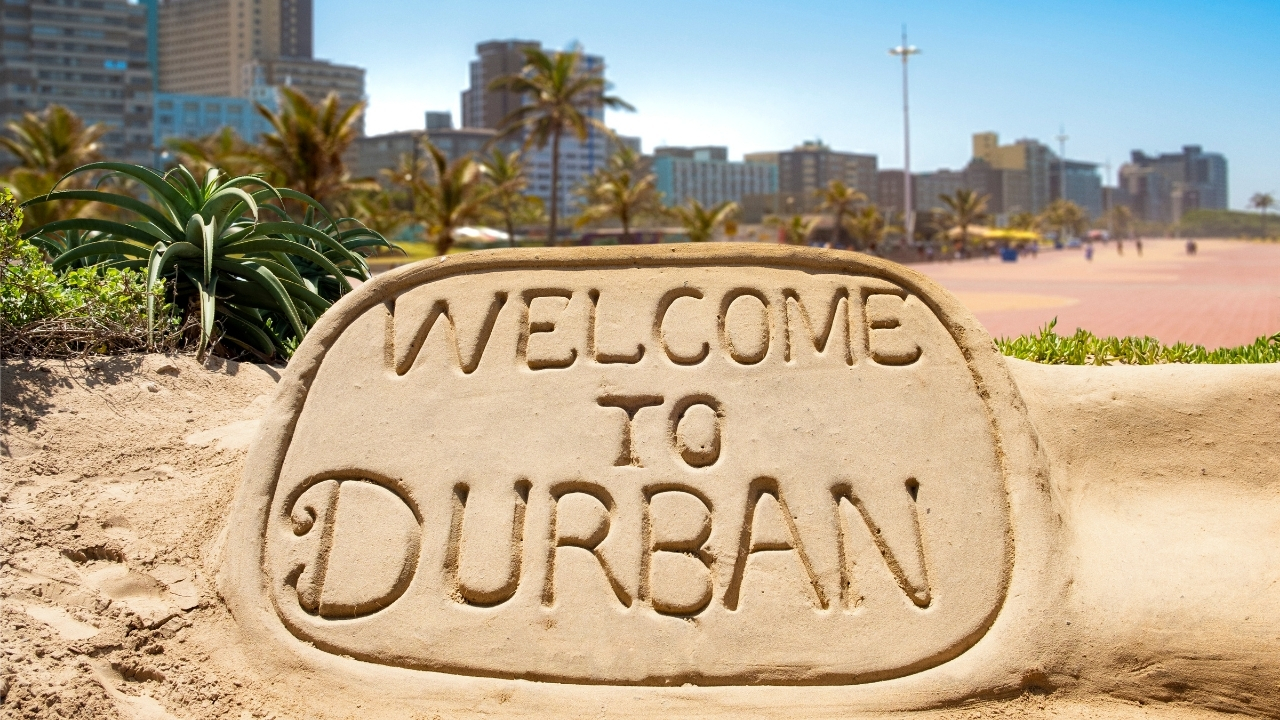
There’s a particular kind of joy that Joburgers experience when they step off a flight in Durban in the middle of winter. It’s 22°C, there’s a warm dampness in the air that Highveld dwellers haven’t felt for three months, and somewhere in the distance there’s a smell that might be the ocean or might be a curry being made within a 5-kilometre radius. (In Durban, these two things often overlap.) eThekwini — as the metro is officially known — is South Africa’s warmest major city and one of its most underrated domestic destinations. As a South African, you don’t need much to get there. But knowing what to pack, what to expect, and what Durbanites consider non-negotiable (bunny chow is non-negotiable) will make the trip significantly better.
What Documents Do South Africans Need for Durban?
The domestic travel answer is pleasingly straightforward: your green barcoded ID book or your smart ID card is all you need. No passport. No visa. No proof of address. You are South African, you are going to another South African city, and the paperwork burden is exactly zero.
Practical document reminders:
- Flights: Your ID number on the booking must match your ID document exactly. Confirm this before you click ‘pay.’ King Shaka International is 35 km north of central Durban — book a transfer or Uber in advance for a smooth arrival.
- Car rental: Your South African driver’s licence. Both the old laminated card and the new credit-card format are accepted at major rental companies. Your licence does not need an IDP (International Driving Permit) for domestic travel.
- Accommodation: Valid ID on check-in, same as anywhere in South Africa.
Getting to Durban: Your Options
Flying
King Shaka International Airport (DUR) sits near La Mercy on the KZN North Coast, approximately 35 kilometres from Durban city centre and a convenient 10km from Umhlanga Rocks — the preferred accommodation hub for most visitors. Johannesburg (OR Tambo) to Durban is a busy route with multiple daily departures on FlySafair, Airlink, Safair, and the bigger carriers. Flight time is approximately 1 hour. If you book a few weeks in advance, you can do the entire round trip for under R2,500 on a good day. Same-week bookings will remind you why airlines exist as a business.
Driving
Joburg to Durban via the N3 is 600 kilometres — about 5.5 to 6 hours in normal traffic. The N3 Toll Road is the standard and most efficient route, passing through the Midlands (try to stop in Mooi River or Howick if you can), descending through the dramatic Van Reenen’s Pass, and rolling into Durban through the Valley of a Thousand Hills. Budget approximately R200–R250 in tolls each way. Durban rush-hour traffic (7–9am and 4–7pm on weekdays) can add an hour to your arrival if you’re coming in from the highway—aim for mid-morning or early afternoon arrival.
From Cape Town, Durban is approximately 1,760 kilometres — a serious two-day drive via the N2 through the Garden Route and Wild Coast, or a long single day if you’re the kind of person who thrives on personal challenges and strong coffee.
By Bus
Intercape and FlixBus (formerly Greyhound) run Joburg–Durban services regularly. Journey time is 7–8 hours. At around R250–R500 one-way, it’s the budget option and it works — particularly for travellers without a car and without the budget for last-minute flights.
What to Pack for Durban
Durban has a subtropical climate — this means warm and humid in summer, warm and dry-ish in winter, and ‘the rain can arrive in the afternoon regardless of what the forecast said’ as a permanent background condition. Packing guide:
- Summer (October–March): Light, breathable clothing is essential. Cotton and linen over synthetics — you’ll thank yourself. Shorts, T-shirts, a light rain jacket (afternoon storms are common, brief, and soaking). The beaches are at their most swimmable.
- Winter (May–August): This is peak holiday season for KZN. Pack summer clothing — Durban winters are warm and dry, averaging 22–26°C during the day. A light cardigan for evenings is enough. This is the season when Joburgers and Capetonians realise KZN has been doing this correctly all along.
- Year-round essentials: High-SPF sunscreen (the UV here is underestimated by visitors from the Cape), good sandals for the beachfront promenade, and waterproof shoes if you’re doing the Valley of a Thousand Hills or any KZN hiking.
- Water shoes: Optional but appreciated. Rocky reef entries at Umhlanga and the Bluff are unforgiving in bare feet.
Money and Budget in Durban
Durban is noticeably more affordable than Cape Town on nearly every measure. The accommodation bang-for-buck is better, restaurant meals are generally cheaper, and the local food institutions — bunny chow, biryani, prawn curry — are priced for the people who live here rather than for people with European salaries.
- Budget: R500–R1,000 per person per night (self-catering in Umhlanga or Durban North, eat at local spots and food markets).
- Mid-range: R1,200–R2,500 per person per night (Umhlanga hotel, a mix of local and restaurant dining, day trips to iSimangaliso or the Valley).
- Splurge: R3,000+ per person per night (Oyster Box territory, fine dining on Florida Road, guided iSimangaliso tour).
All major shopping malls (Gateway, Pavilion, uShaka) accept card. Markets and local food stalls: carry cash. Tipping norms are the same as the rest of South Africa.
What You Absolutely Cannot Miss
- A bunny chow: This is not optional. A quarter white loaf filled with bean or mutton curry, eaten with your hands. It’s a Durban institution that pre-dates most of us. Victoria Street Market surrounds, Emmanuel’s on Brickfield Road, the stalls on Grey Street — any of these will do you right.
- The Golden Mile promenade: Walk it early in the morning before the beach crowd arrives. North Beach at sunrise, the Moses Mabhida arch in the background, is genuinely beautiful.
- uShaka Marine World: Particularly good for families and anyone who hasn’t been. The aquarium is exceptional — the shark exhibit and underwater tunnel alone are worth the entrance fee.
- The Valley of a Thousand Hills: 40 minutes from central Durban. One of South Africa’s most dramatic and undervisited landscapes — deep Zulu country, extraordinary views, and a scale that makes you feel appropriately small.
- iSimangaliso Wetland Park: 270km north, but worth every kilometre. Hippos walk the St Lucia streets at night, the estuary is magnificent, and Sodwana Bay’s coral reef is the southernmost in Africa. A one-night stay in St Lucia is strongly recommended.
Safety in Durban for South Africans
Durban has the same dual geography as every major South African city: very safe in the right places, requiring genuine vigilance in others. You know the drill:
- Umhlanga, Ballito, and the North Coast: The safest and most tourist-friendly corridor in the region. Hotels, malls, the beach — all well-managed.
- Florida Road and the Berea restaurant strip: Active and enjoyable until late. Walk in groups after dark.
- The CBD (Victoria Street, Grey Street): Fine during the day, especially in the market areas. Avoid late at night.
- The beach at night: The Golden Mile is well-lit but not recommended for solo late-night walks. Do the sunset, then go find your bunny chow.
- Beach safety: Durban’s beaches are shark-netted and lifeguard-patrolled. Swim between the flags without exception — the Bight currents on certain beaches are more powerful than they look.
Frequently Asked Questions
When is the best time for South Africans to visit Durban?
July and August are the sweet spot for domestic visitors who want beach weather without extreme heat. June–September overall is peak KZN season — warm days, low humidity, blue skies. If you’re going for the Sardine Run spectacle (June–July), plan the timing carefully and follow the KZN Sharks Board for real-time updates.
How far is King Shaka Airport from Umhlanga?
King Shaka International is approximately 10–15 kilometres from Umhlanga Rocks — roughly 15–20 minutes by car in normal traffic. If you’re staying in central Durban, the drive is 35–45 minutes. Uber is available from the airport; pre-book a hotel transfer for reliability, especially late arrivals.
Is the N3 safe to drive from Joburg to Durban?
Yes, the N3 is South Africa’s best-maintained inter-city route and is generally considered safe during daylight hours. The usual sensible precautions apply: don’t drive at night if you can avoid it, keep your tank filled, and don’t stop for strangers on the road. The Van Reenen’s Pass section can be foggy in winter mornings — reduce speed and use headlights.
Durban never needs to try hard. It just is what it is: warm, flavourful, loud, and South Africa’s best-kept secret from everyone who hasn’t thought to go. Go. Eat the bunny chow. Get in the water.